
Wood dust is often treated as an unavoidable part of woodworking. But the danger is not just the sawdust you can see on a bench or floor. Fine particles released while sanding, cutting and routing can become airborne, spread through a workshop and be inhaled.
For hobby woodworkers and professional cabinetmakers alike, the goal is more than a tidy workshop: it is to reduce exposure where dust is created and build habits that make dust control part of every job.
1. The dust you cannot see
Large wood chips settle quickly, but fine dust can remain suspended after a machine stops. A workshop may look clean while airborne particles are still present. Sanding, routing, sawing sheet materials and blowing settled dust around with compressed air can all increase exposure.
Visible dust is a warning sign, not a reliable measure of exposure. The absence of a visible dust cloud does not necessarily mean the air is safe.
2. What wood dust can do to your health
Breathing irritation and occupational asthma
Breathing wood dust may irritate the nose, throat and airways. Exposure can also cause or worsen asthma, and some people become sensitised to particular wood species. Once sensitised, further exposure can trigger symptoms at lower levels.
Eyes and skin
Some timbers can cause eye irritation, skin irritation or allergic reactions. Reactions vary depending on the species, the task and the individual.
Long-term cancer risk
The International Agency for Research on Cancer (IARC) classifies wood dust as carcinogenic to humans. Occupational exposure is linked to cancers of the nasal cavity and paranasal sinuses. Read the IARC wood dust evaluation and the WorkSafe Victoria guidance on wood dust health hazards. This does not mean every woodworking exposure will cause cancer, but it is a strong reason to take regular dust exposure seriously.
Health risks depend on exposure and working conditions. Anyone experiencing persistent breathing or irritation symptoms should seek appropriate medical advice.
3. Which woodworking tasks create more dust?
- Sanding: often produces large amounts of fine particles close to the operator.
- Routing and machining: ejects dust and chips rapidly, especially when tool hoods or extraction ports are ineffective.
- Table saws and mitre saws: can scatter dust around guards, under tables and behind the cut.
- Cleaning with compressed air or dry sweeping: can put settled dust back into the breathing zone.
- Emptying dust bags or bins: can create short but concentrated exposure.
Different timbers and manufactured wood products present different concerns. Always follow relevant supplier safety information and local workplace guidance.
4. Fire and combustible-dust hazards
Fine wood dust is combustible. Accumulated dust can contribute to fires, and under the right conditions—particularly when dispersed in an enclosed space with an ignition source—it can present an explosion hazard. This is particularly important in extraction equipment, ducts and larger woodworking facilities.
Regular maintenance, appropriate equipment, good housekeeping and sensible control of ignition sources are essential. Automatic switching does not replace these protections.
5. Why a good dust extractor is not always enough
Even a capable extractor cannot capture dust if it is switched off, if the tool hood is ineffective, or if the hose, ducting and filter restrict airflow. Quick cuts and small jobs are particularly easy times to forget the extractor.
The most useful dust-control setup is one that matches the machine and is convenient enough to use every time.
6. Practical ways to reduce wood dust exposure
- Capture dust at the tool: use suitable guards, extraction hoods and dust ports close to where particles are generated.
- Match the extractor to the job: check airflow, hoses, ducting, filters and the machine maker’s requirements.
- Clean without making another dust cloud: use a suitable dust-class vacuum or other appropriate controlled cleaning method instead of compressed air or dry sweeping.
- Maintain the system: inspect blocked hoses, full collection containers, seals and filters.
- Use suitable respiratory protection when needed: follow workplace risk assessments and local safety guidance. Extraction does not always eliminate the need for additional protection.
For workplace requirements and further guidance, consult Safe Work Australia and your state or territory work health and safety regulator.
7. Making dust extraction easier to use
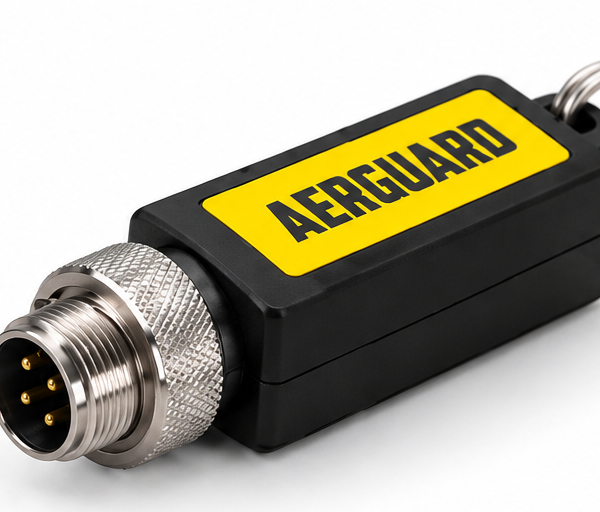
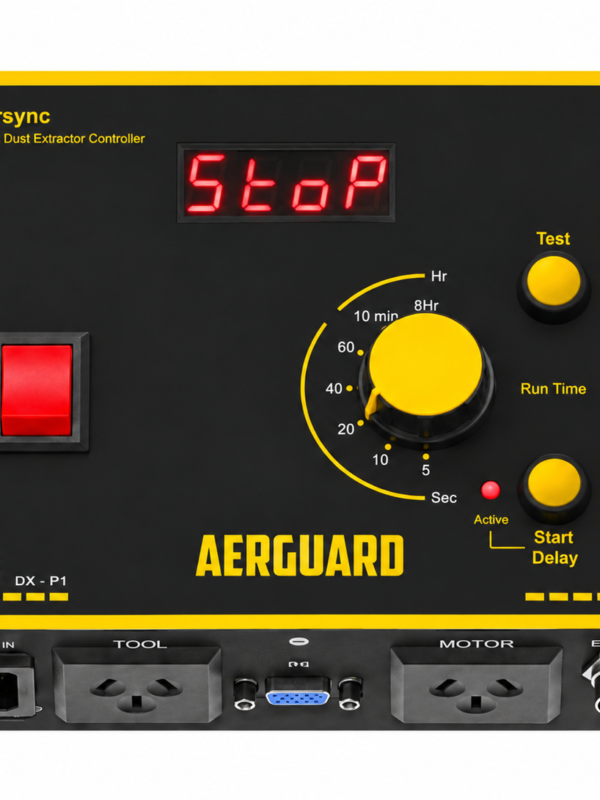
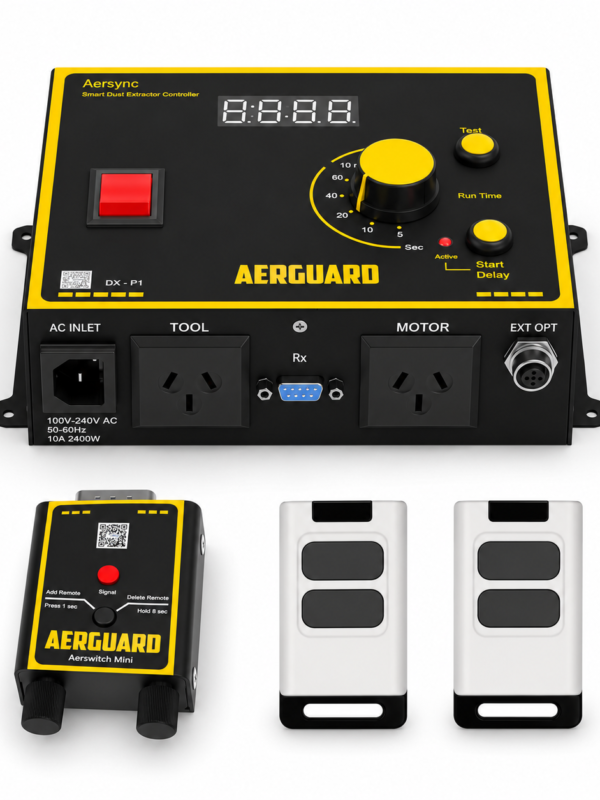
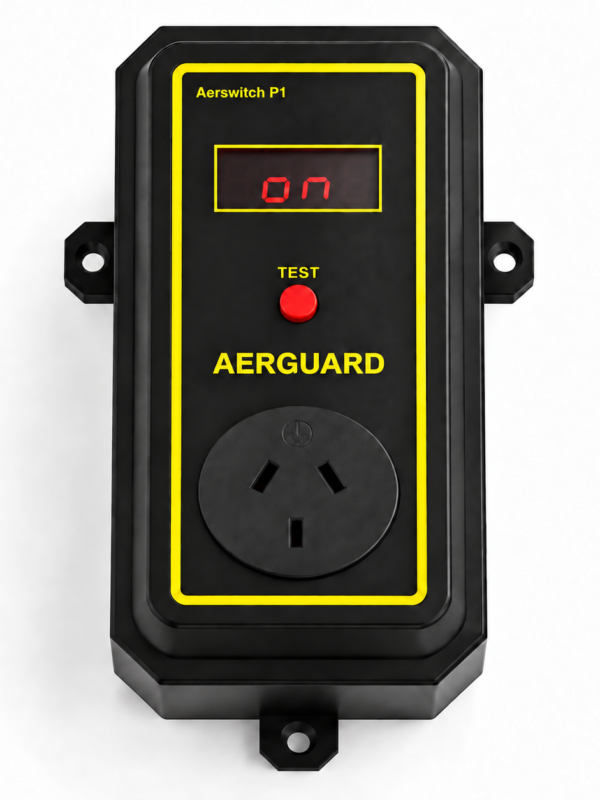
An automatic vacuum switch, dust extractor switch or dust extractor controller can help start extraction when a connected power tool operates. Some systems use current sensing; others use compatible wireless tool sensors or handheld remotes. These are different approaches to making extraction more convenient—not substitutes for suitable dust-collection hardware.
Aersync is one example of a controller for woodworking workshops. For a comparison of operating methods, read our Guide to Automatic Dust Control in Workshops. You can also see our related article Automated Dust Extraction for Woodshops.
8. Find a practical setup for your workshop
The right arrangement depends on your extractor, power supply, woodworking machines and how many workstations share extraction. Explore the setup examples below, and check all electrical ratings and compatibility before choosing equipment.
Final thoughts
Wood dust is easy to underestimate because the finer particles are often the least obvious. Reducing exposure starts with capturing dust at its source, maintaining equipment and using suitable protection. Making extraction easier to operate can help make those measures more consistent—but it is only one part of a safer woodworking workshop.